Blog


The Better Energy Community is constantly growing and evolving.

Read about our latest projects and successes on our blog.

Fact Sheet Compares Emissions of Electric and Conventional Vehicles in Minnesota

October 13, 2026 in Transportation & Fuels Authors: Emmy Curtiss, Gabrielle Olson, M. Moaz Uddin

As electric vehicle (EV) adoption continues to grow, many consumers have questions about how EVs compare with gasoline vehicles in terms of environmental impact. There is a common misconception that EVs emit more over their lifetime due to the emission-intensive battery production process. While it is true that EVs generally produce higher emissions during manufacturing, they offset those emissions through cleaner operation in as little as 10 months, even when powered with the current electric grid mix, which is partially powered by fossil fuels. Continue reading »

Statement from the Great Plains Institute Regarding the Closure of HOURCAR

October 9, 2026 in News & Press, Transportation & Fuels Author: Drew Henry

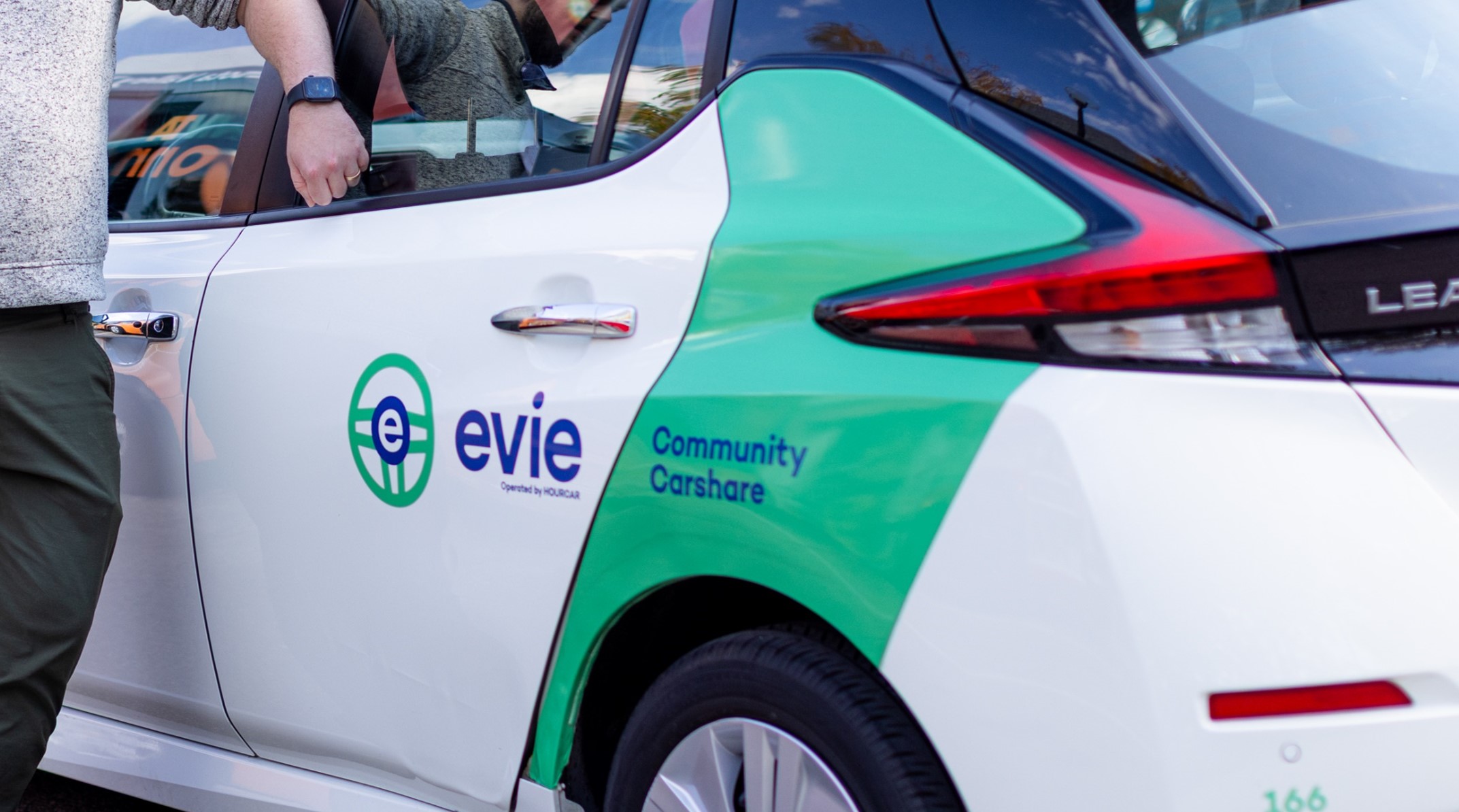
carshare electric vehicle branded with HOURCAR/Evie logo

GPI released the following statement by Brendan Jordan, vice president of transportation and fuels, regarding the shutdown of HOURCAR announced on October 8, 2026:

“GPI extends its sincere appreciation to the team at HOURCAR, its leadership, and its community partners for years of dedicated service to the Twin Cities region. The decision to sunset operations marks a difficult and sad moment for our community. Continue reading »

Agrivoltaics: How Solar and Agriculture Can Coexist and Benefit Communities

September 25, 2026 in Renewable Energy Author: Dreek Morgan

Conversations about utility-scale solar on agricultural lands typically start with the question: Should this land produce food or energy?

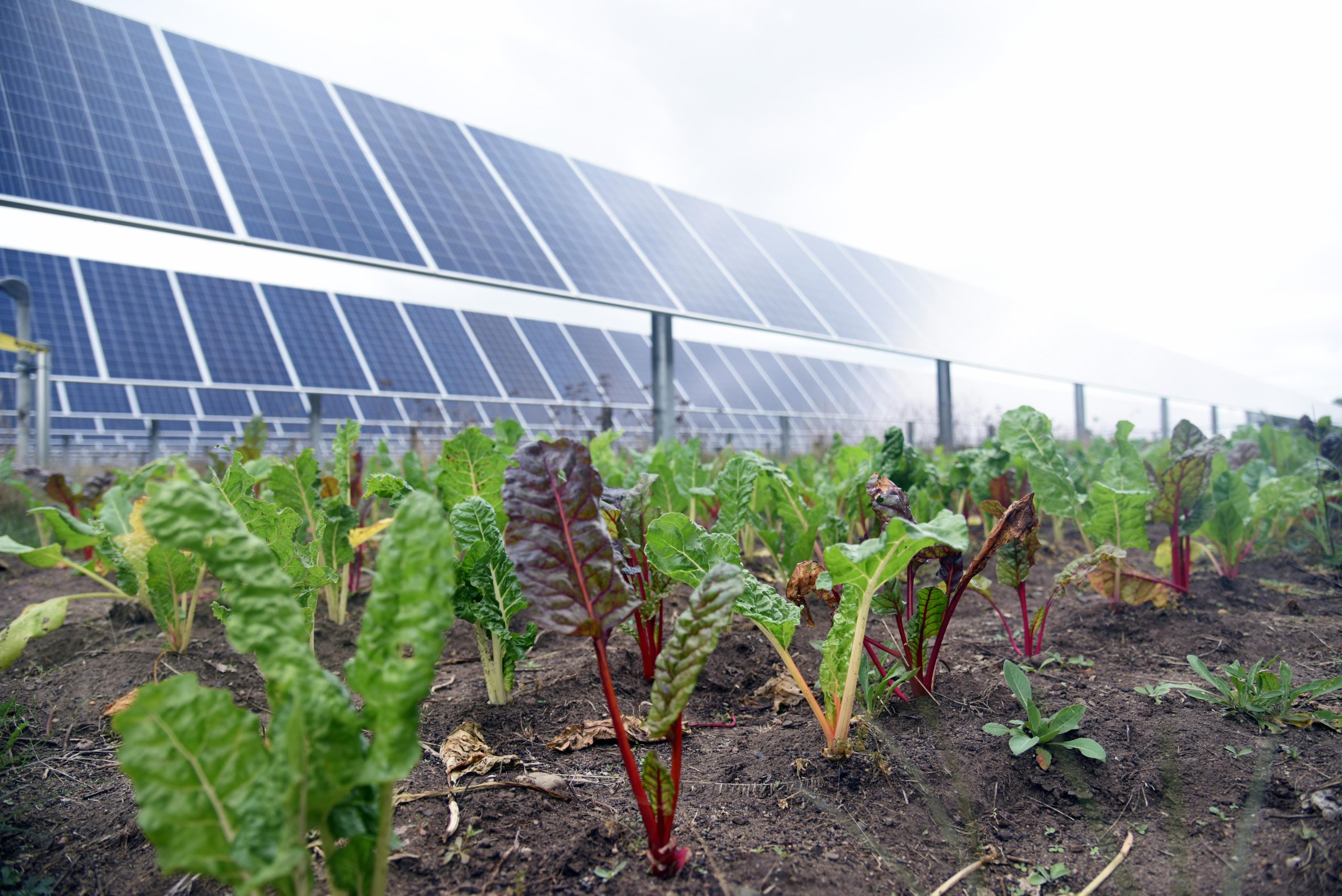
Rather than pitting agriculture and solar energy against each other, agrivoltaics combine them, providing opportunities to grow crops, graze livestock, establish pollinator habitat, and generate energy. Agrivoltaics, also called dual-use solar, refers to a solar project designed and sited to accommodate agricultural production beneath, between, and/or around solar panels.

As communities strive to strengthen local economies, preserve prime farmland and rural character, and meet growing energy demands, agrivoltaics is an emerging practical solution. Continue reading »

Solar and Water: Turning Renewable Energy Development into a Community Benefit

September 4, 2026 in Renewable Energy Author: Monika Vadali

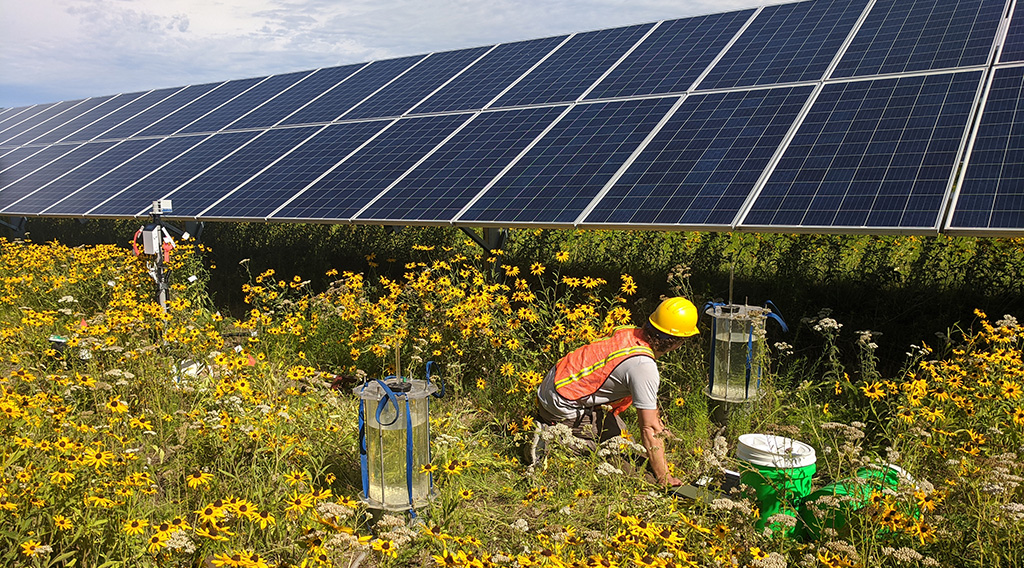
A recent webinar hosted by the Great Plains Institute explored the growing connection between solar energy development and water quality, often called the solar/water nexus. Interest in the webinar spanned the globe, with over 240 people registering from 38 states and 6 countries. State and local government staff made up nearly half of attendees, with the remainder representing solar developers and engineering/construction firms, energy or environmental nonprofits, local or state government officials, educational institutions, and interested community members. Continue reading »

Exploring Community Benefits Agreements for Clean Energy Permitting in Minnesota

September 2, 2026 in Renewable Energy Authors: Dreek Morgan, Val Stori

Communities in Minnesota and across the nation are learning how to engage effectively with clean energy development as more projects are proposed. Community benefits agreements (CBAs) are a tool for communities, local governments, and developers to shape how clean energy projects and infrastructure can deliver a multitude of benefits to host communities. Such agreements can help ensure that project development aligns with local goals and that projects deliver equitable benefits to the communities impacted by them. Continue reading »

Otter Tail Power’s Thermal Storage Tariff: Delivering Clean, Cost-Effective Industrial Heat

August 19, 2026 in Energy Systems Author: Hallie Turner

A new electricity rate in the Midwest is opening a path to save money for industry, lower costs for other customers on the grid, and make better use of existing clean energy. The new rate, or tariff, enables industrial customers to electrify by using thermal storage to capture only the cleanest, lowest-cost hours of electricity via wholesale market pricing. When combined with time-varying and location-based electricity rates, industrial facilities can secure cost-effective clean energy when supply is abundant and use that energy around the clock to produce steam for industrial processes.

Continue reading »

GPI Launches 2026–2027 Charging Smart Cohort for Local Governments in the Midwest

August 13, 2026 in Communities Author: Rebecca Heisel

The Great Plains Institute (GPI) is excited to invite Midwestern communities to join its upcoming Charging Smart Bronze Cohort!

The cohort will be focused on supporting local governments to earn Bronze designation in the Charging Smart program. Charging Smart is a free-of-charge national technical assistance and recognition program that supports communities working on transportation electrification initiatives. Over 100 communities across the country have already benefited from the program, and as the technical assistance provider in the Midwest, GPI is committed to bringing the same value to our neighbors. Charging Smart has three designation levels for local governments to earn: Bronze, Silver, and Gold. Continue reading »

Our Newsletter

Sign Up for Better Energy Community News

Sign up to receive the latest news and announcements from the Great Plains Institute.

*By submitting this form, you agree to receive email marketing from the Great Plains Institute.